Dr Dennis Gross DRx SpectraLite FaceWare Pro Review
A UK-focused deep dive into the 3-minute LED mask that promises both acne clearing and anti-ageing results. Is it worth £430-£470, or should you choose CurrentBody or Shark CryoGlow instead?
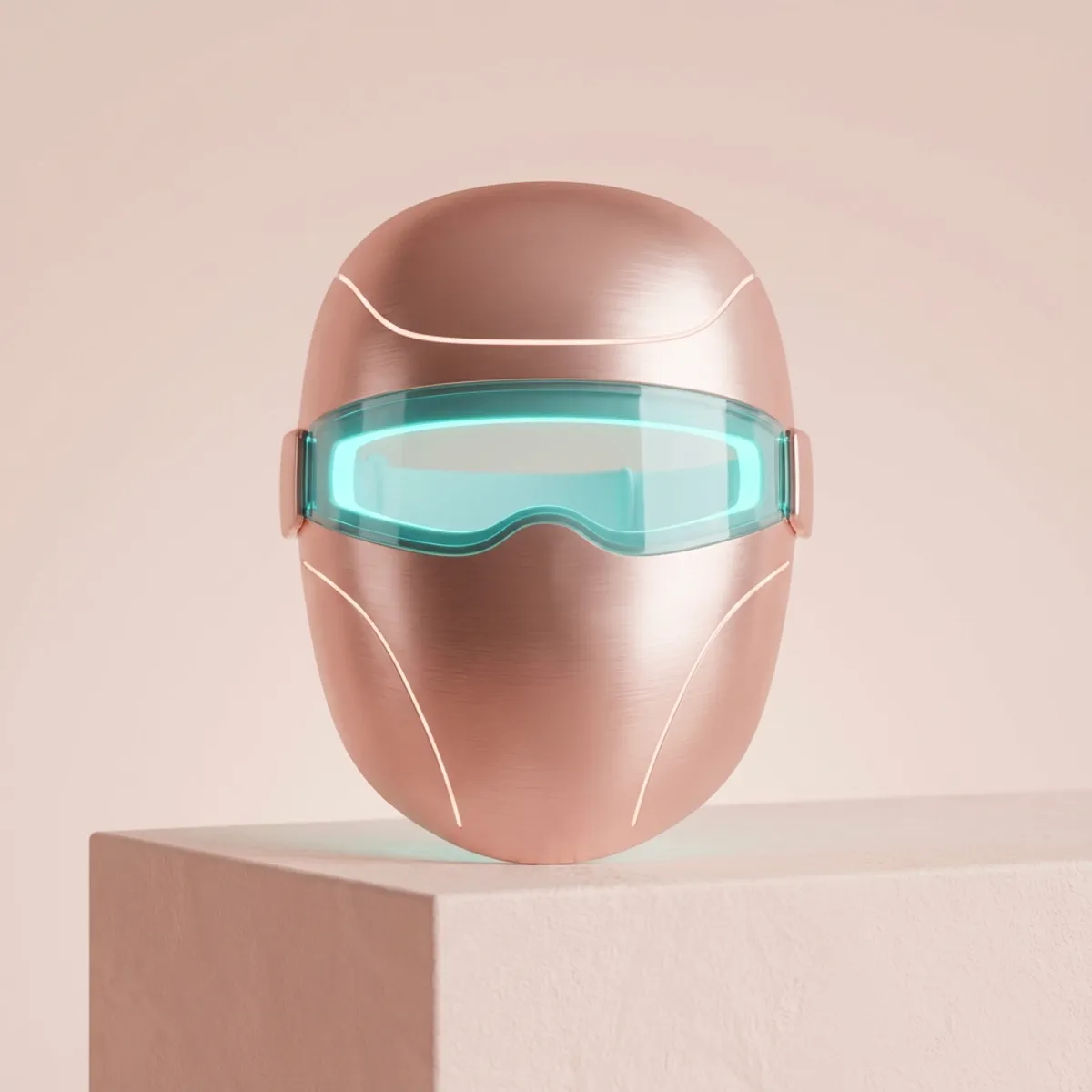
Three minutes. That's all the Dr Dennis Gross DRx SpectraLite FaceWare Pro asks for—three minutes once daily to tackle both acne and ageing concerns. It's a bold promise from a dermatologist-backed brand, and one that's attracted plenty of attention in the UK market. But with a price tag hovering around £430-£470, does this rigid LED mask deliver results that justify the premium over flexible alternatives like CurrentBody Series 2 or the feature-packed Shark CryoGlow?
This review synthesises insights from real user feedback across Reddit, Amazon UK, YouTube reviews, and editorial testing to give you an honest, UK-focused assessment. We'll cover what works, what doesn't, who should buy it, and how it stacks up against the competition.
Want to see how it compares to other top masks? Read our Best LED Masks 2026 guide. Not sure whether to choose Dr Dennis Gross or CurrentBody? Compare with CurrentBody Series 2.
At a Glance
Key Specs
- Session time: 3 minutes once daily
- Modes: Red, blue, red+blue combo
- UK price: £430-£470
- Form factor: Rigid shell, off-face fit with strap
Best For
- Acne-prone users with ageing concerns
- Busy routines needing ultra-short sessions
- Those valuing FDA-cleared brand credibility
Not For
- Very light-sensitive users
- Narrow or small face shapes
- Comfort-first buyers on a budget
Key Specifications (UK)
Usage
Session duration: 3 minutes once daily (recommended daily use)
Modes: Red light (anti-ageing), blue light (acne), red+blue combo
Battery: Wireless, approximately 8-10 sessions per charge
Design & Build
Form factor: Rigid plastic shell that sits off the face with adjustable strap
Coverage: Full face excluding jawline and neck
UK retailers: Space NK, Cult Beauty, Sephora UK, LookFantastic
UK price range: Typically £430-£470 depending on retailer and promotions. Check Cult Beauty for current pricing.
What We Like
- +3-minute sessions fit busy routines
The ultra-short treatment time makes it almost impossible to skip. Many users incorporate it into bedtime routines, during calls, or while multitasking. This consistency factor is crucial—LED therapy only works if you actually use it.
- +Noticeable anti-ageing results
Red light mode delivers visible improvements in fine line softening and skin firmness after 2-10 weeks of consistent use. Users report smoother forehead lines, improved texture, and an overall more even tone. The results are cumulative and become more pronounced with long-term use.
- +Blue mode effectively targets acne
The blue light mode is genuinely helpful for breakouts and hormonal acne. It targets acne-causing bacteria, reduces inflammation and redness, and helps prevent cystic flare-ups. Many users see quicker healing times and fewer active breakouts within 2-4 weeks.
- +Sturdy, clinical feel for long-term use
The rigid shell feels substantial and well-built compared to flimsier budget options. It has a clinical, professional aesthetic that appeals to users who value dermatologist brand credibility and FDA-cleared devices.
- +Improves overall skin clarity and tone
Beyond targeted concerns, users report minimised dark spots, better texture, reduced puffiness, and an overall clearer, more radiant complexion with consistent use.
Things to Consider
- −High upfront cost (£430-£470)
At this price point, you're investing significantly more than flexible silicone alternatives like CurrentBody (£400) or budget options. Without immediate results or a strong warranty, the value proposition requires careful consideration.
- −Rigid fit issues for some face shapes
The rigid shell doesn't conform to your face like flexible silicone masks. It can feel awkward, pull hair, or slip on smaller or narrower faces. The pressure from rigid edges can cause discomfort during movement, making it less suitable for multitasking compared to flexible options.
- −LED failures and durability concerns
Multiple users report LED failures after a few months, particularly with blue mode. Lights may flicker, fail entirely, or stop working. The battery eventually dies permanently with no service or repair options—when it goes, you'll need to buy a new mask. This is a significant concern given the premium price.
- −Limited jawline and neck coverage
The mask sits off the face and doesn't extend below the jawline, so you miss coverage on the lower face and neck areas that flexible masks typically cover. This can be a drawback if you're targeting ageing concerns in those areas.
- −Brightness can be overwhelming
The LED intensity is quite bright, and many users need to keep their eyes closed or use protective goggles. It's not ideal for reading or watching TV during sessions, unlike some competitors with better eye protection.
- −Frequent charging required
With approximately 8-10 sessions per charge, you'll need to charge it roughly every week with daily use. The inner rubber can also yellow over time, affecting aesthetics.
Real User Results & Timelines
Anti-Ageing Results
Users typically notice initial improvements in forehead line softening after 1-2 weeks of daily use. The changes become more noticeable around 4-6 weeks, with peak firmness and texture improvements appearing around 10 weeks. Results are cumulative—the longer you use it consistently, the more pronounced the benefits.
Many users combine red mode sessions with their regular skincare routine, applying serums first and then using the mask. Some alternate between red and blue modes depending on their immediate skin concerns.
Acne Results
For acne-prone users, blue light mode shows results faster—typically within 2-4 weeks. Users report quicker healing of active breakouts, reduced redness and inflammation, and fewer cystic flare-ups. The blue light targets bacteria effectively, making it particularly helpful for hormonal acne patterns.
Consistency is key. Users who stick to daily 3-minute sessions see better results than those who use it sporadically. Drop-off tends to happen if users don't see quick wins, so managing expectations is important.
Who's Happy vs Disappointed
Happy users: Typically acne-prone individuals in their 30s and 40s who also have ageing concerns. They value the dual-mode functionality and appreciate the short session time that fits into busy routines. They use it consistently and see cumulative benefits over 8-12 weeks.
Less satisfied users: Those expecting instant "miracle lift" results or an immediate acne cure. Users with very small or narrow faces who struggle with fit. People who prioritise comfort and want to multitask during sessions (reading, watching TV) find the rigid design and brightness limiting.
Fit, Comfort & Brightness
The rigid shell design is a double-edged sword. It feels sturdy and well-built, but it doesn't conform to your face like flexible silicone masks. This means it sits off the skin with gaps, which can reduce light intensity compared to masks that make direct contact.
Fit issues are common, especially for users with smaller or narrower faces. The straps can pull hair, slip during movement, or create pressure points around the temples and forehead. The rigid edges can dig in uncomfortably, making it less suitable for active use compared to flexible options.
The LED brightness is intense—many users find it overwhelming without eye protection. Most keep their eyes closed during sessions or use protective goggles. This makes it difficult to multitask (reading, watching TV) unlike competitors like Shark CryoGlow, which offers better eye comfort for visibility during use.
Over time, the inner rubber components can yellow, affecting the aesthetic appeal. The mask also requires storage space and isn't as travel-friendly as compact flexible options.
Comfort comparison: If comfort is your priority, flexible silicone masks like CurrentBody Series 2 offer a much more comfortable experience. They contour to your face, stay put better, and allow for more relaxed use. The Dr Dennis Gross mask feels more clinical and structured—fine for short 3-minute sessions, but less comfortable for extended wear.
How It Compares
Vs CurrentBody Series 2
The Dr Dennis Gross mask offers 3-minute sessions versus CurrentBody's 10-minute sessions, making it significantly faster. It also includes blue light mode for acne, which CurrentBody lacks. However, CurrentBody's flexible silicone design provides superior comfort, better coverage including jawline, and stays put during use. CurrentBody focuses purely on anti-ageing with near-infrared wavelengths that penetrate deeper.
Choose Dr Dennis Gross if: You need both acne and anti-ageing treatment, or you want ultra-short sessions. Choose CurrentBody if: You prioritise comfort, comprehensive anti-ageing coverage, and don't need blue light. Read our CurrentBody review for a detailed comparison.
Vs Shark CryoGlow
The Dr Dennis Gross mask has a stricter, more clinical feel with strong blue and red combo modes. Shark CryoGlow offers more comfort for reading and watching TV, plus cryotherapy features for de-puffing. However, Shark's coverage can be more patchy due to its visor-style design, and the routine is more complex with separate cooling elements.
Choose Dr Dennis Gross if: You want a straightforward LED routine focused on acne and ageing. Choose Shark if: You want LED plus cooling features and prefer being able to see clearly during treatment.
Vs Budget Flexible Masks (e.g., Sensse-type)
The Dr Dennis Gross mask offers stronger brand trust, FDA-cleared status, and more consistent performance compared to cheap multi-colour masks. However, budget flexible masks provide similar red and blue modes at a fraction of the cost (£50-£150 range). The trade-off is build quality, LED density, and clinical backing.
Choose Dr Dennis Gross if: You value brand credibility and want guaranteed wavelength accuracy. Choose budget masks if: You're testing LED therapy for the first time or have mild concerns that don't justify premium pricing.
Best For / Not For
Best For
- ✓Acne-prone users with ageing concerns who want a short, structured routine. For purely anti-ageing without acne, see our CurrentBody review.
- ✓People who value FDA-cleared, dermatologist brand credibility
- ✓Busy professionals who need 3-minute sessions that fit into tight schedules
- ✓Users with combination skin wanting both anti-ageing and acne treatment in one device
Not For
- •Very small or narrow faces (poor fit with rigid shell)
- •Highly light-sensitive users who struggle with bright LED intensity
- •People who prioritise comfort and want near-infrared-focused anti-ageing (better options: CurrentBody)
- •Very budget-conscious users in the UK (£430-£470 is a significant investment)
- •Those wanting to multitask during sessions (reading, watching TV)
Frequently Asked Questions
How long before I see results?
Most users notice initial improvements in skin clarity and reduced redness within 1-2 weeks of daily use. For anti-ageing benefits like softening fine lines, expect more noticeable changes after 4-6 weeks, with peak results around 10 weeks of consistent use. Acne improvements can appear faster—many users report quicker healing of breakouts and less cystic flare-ups within 2-4 weeks. Remember, results are cumulative and depend on sticking to daily 3-minute sessions.
Is it good for cystic acne?
Yes, the blue light mode is particularly effective for cystic and hormonal acne. The blue light targets acne-causing bacteria and reduces inflammation, which can help prevent deep cystic breakouts from forming and speed healing of existing ones. Many users with hormonal acne report fewer flare-ups and less redness when using the blue mode consistently. However, it's not a replacement for medical treatment if you have severe cystic acne—consider combining it with professional advice.
Can I use it with retinol or acids?
Yes, LED therapy is generally safe to use alongside retinol and acids, but timing matters. Many users apply their serums first, wait 10-15 minutes for absorption, then use the mask. Some prefer using the mask on alternate nights from their actives to avoid any potential sensitivity. The mask itself doesn't cause photosensitivity, but if you're using strong acids or retinoids, start with shorter sessions and monitor your skin's response. The red light mode can actually help calm any irritation from actives. For LED-compatible serum recommendations, see our <Link href="/serums/best/serums-for-led-masks" className="text-accent hover:underline">Best Serums for LED Masks</Link> guide.
Is it better than CurrentBody for purely anti-ageing?
For purely anti-ageing concerns without acne, CurrentBody Series 2 tends to be the better choice. CurrentBody offers more comfortable flexible silicone fit, better coverage including jawline, and near-infrared wavelengths that penetrate deeper for anti-ageing benefits. The Dr Dennis Gross mask excels when you need both acne and anti-ageing treatment, or if you want ultra-short 3-minute sessions. If comfort and comprehensive anti-ageing coverage are your priorities, CurrentBody is typically the preferred option.
What happens when the battery dies?
The battery is not user-replaceable, and when it eventually fails (typically after 2-3 years of regular use), the device cannot be serviced or repaired. This is a significant durability concern given the premium price point. Unlike some competitors with replaceable batteries or service options, you'll need to purchase a new mask. Consider this when evaluating long-term value—if you're planning for years of use, factor in potential replacement costs.
Complete Your LED Routine
Maximize your results by pairing this mask with the right products and understanding your options.
Ready to Try the Dr Dennis Gross FaceWare Pro?
Check the latest UK prices and availability at leading retailers including Space NK, Cult Beauty, Sephora UK, and LookFantastic.
Check Latest UK Price