Best At-Home IPL Hair Removal Devices in the UK
The best IPL device overall is Braun Silk-expert Pro 5 for speed and reliability. Ulike Sapphire Air 3 is the best pick for low-pain treatments, and Philips Lumea 9000 Series is the best option if you want shaped attachments and more flexible body coverage.
After analyzing GSC intent, we've structured this guide to answer the most common UK buyer questions: which IPL devices work for sensitive skin, which provide the best body-part suitability, and how to verify durability before you spend.
What is the best IPL hair removal device right now?
Best overall: Braun Silk-expert Pro 5. It is the easiest recommendation for most buyers because it moves quickly across larger body areas, has strong brand trust, and feels less fiddly during a full routine.
Best for sensitive skin or low pain tolerance: Ulike Sapphire Air 3. The cooling head is the main reason people choose it over Braun.
Best for curved areas and attachment flexibility: Philips Lumea 9000 Series. It suits buyers who care more about body-specific fit than raw speed.
Top at-home IPL devices compared
| Best for | Gold Standard for Speed | Best for Pain-Haters | Best for Curves |
| Speed | Fastest full-leg sessions | Slower, more comfort-led routine | Moderate pace with flexible attachments |
| Pain level | Warm snap on sensitive areas | Lowest pain thanks to cooling tip | Moderate, depends on body area |
| Format | Corded and quick for large areas | Compact handset with cooling head | Cordless-style convenience with body-specific heads |
| Good fit for | Legs, underarms, full-body routines | Low pain tolerance and sensitive zones | Bikini lines, curves, and flexible positioning |
Our top IPL picks
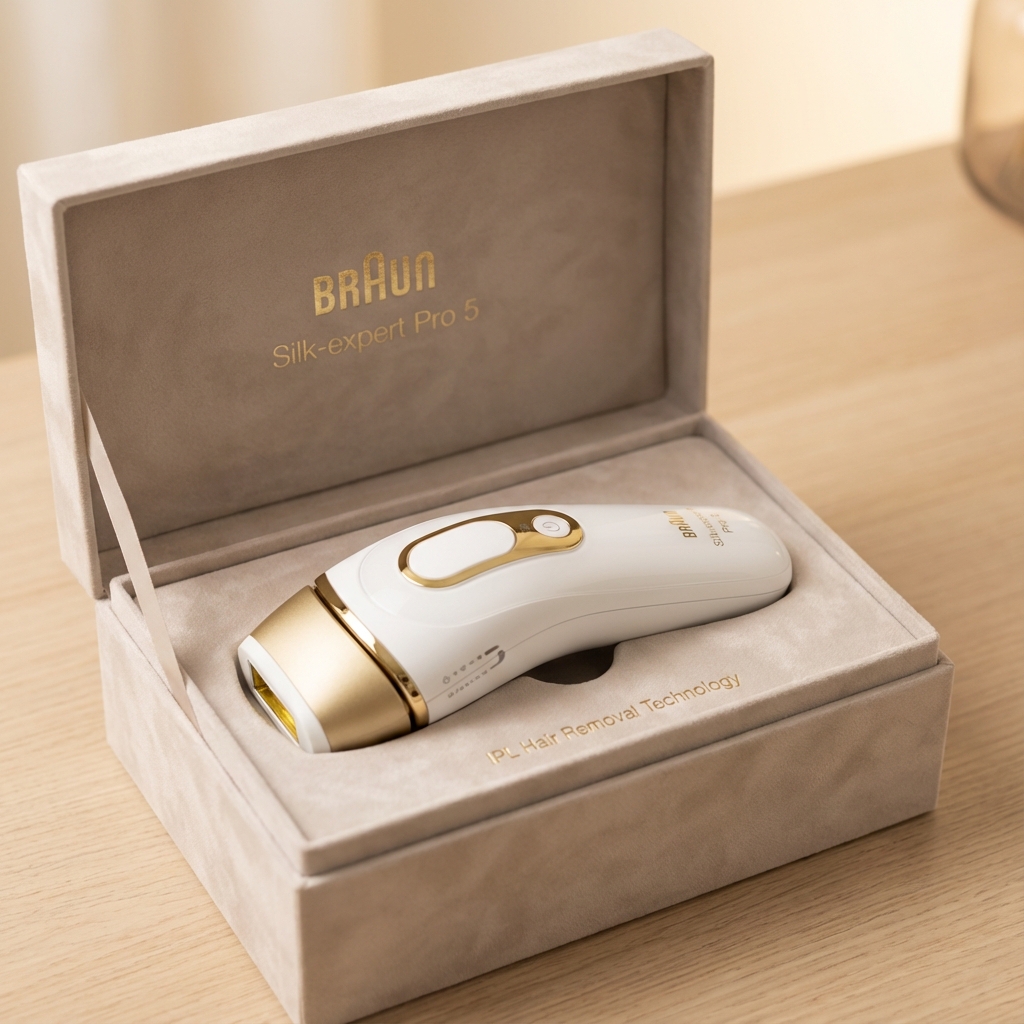
Braun Silk-expert Pro 5
premium£350
Wavelengths
Best for
Type: professional
Brand: Braun
Affiliate links support our research at no extra cost to you.
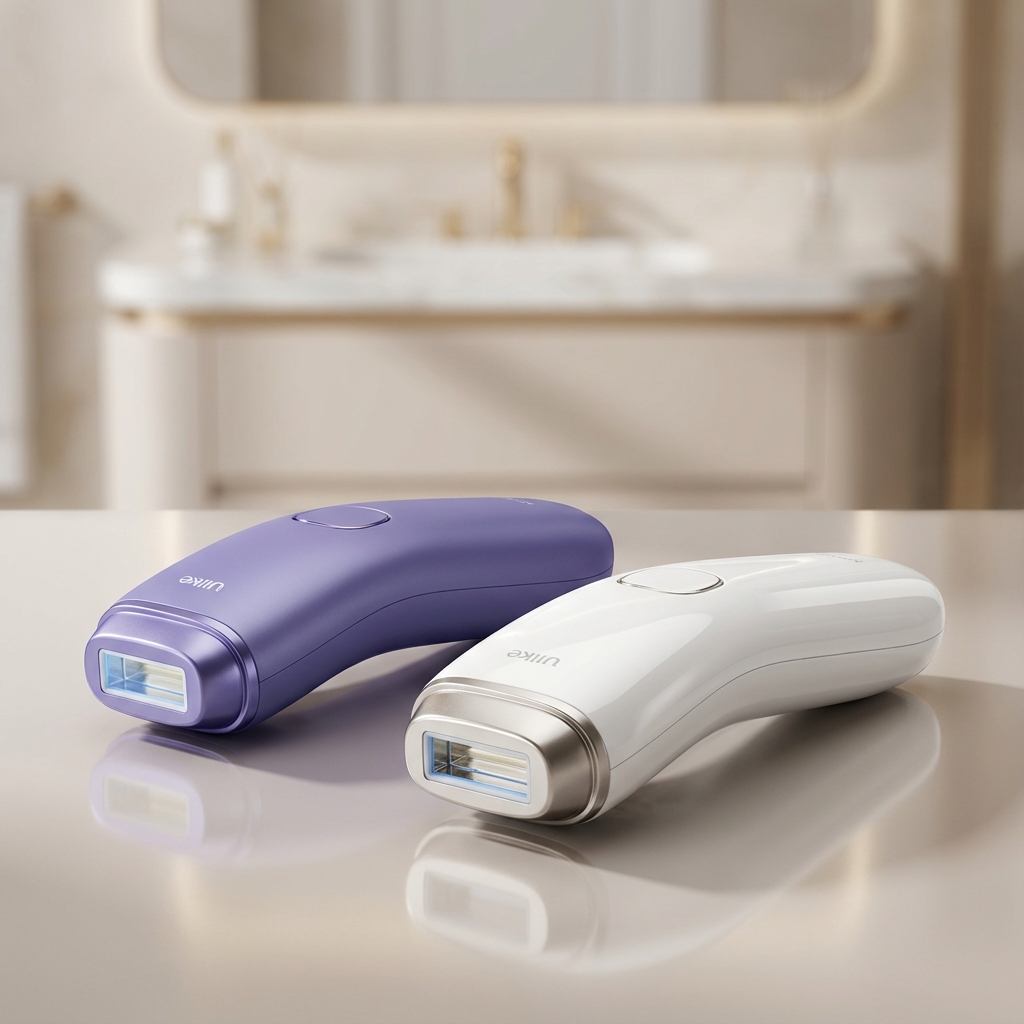
Ulike Sapphire Air 3
budget£289
Wavelengths
Best for
Type: intermediate
Brand: Ulike
Affiliate links support our research at no extra cost to you.
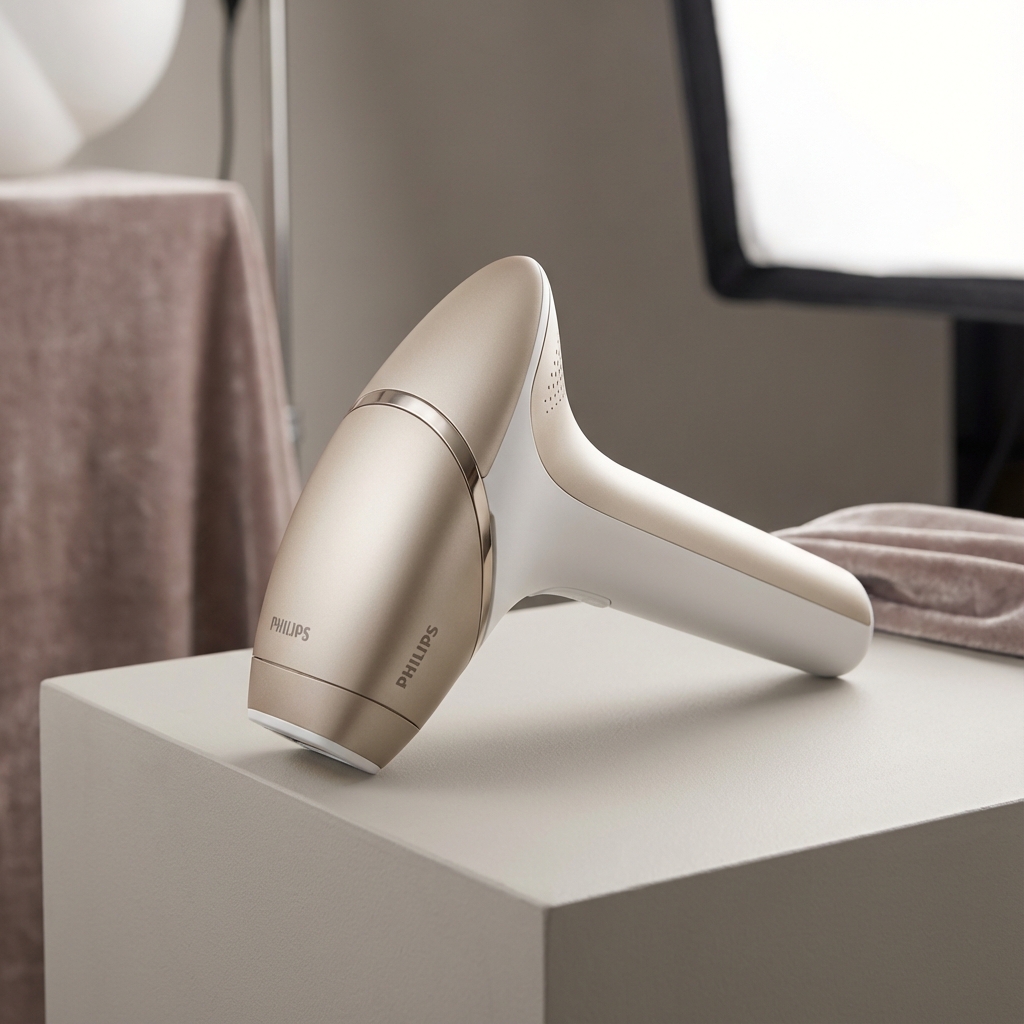
Philips Lumea 9000 Series
mid£450
Wavelengths
Best for
Type: advanced
Brand: Philips
Affiliate links support our research at no extra cost to you.
Expert Verdicts by Persona
1. Best for Sensitive Skin
If you have a low pain tolerance, Ulike Sapphire Air 3 is the clear winner for sensitive skin. Unlike standard IPL devices that create a "warm snap" sensation, the Ulike uses a sapphire cooling head that keeps the skin chilled during the flash.
- Pros: Immediate cooling, zero "sting" on bikini line, very durable build.
- Cons: Slower flash rate than Braun; requires more passes for the same coverage.
"The only device I could use on my underarms without flinching. The cooling tip is a game-changer for sensitive types." — UK Reviewer
2. Best for Body Part Suitability
For buyers who need to treat the face, bikini, and legs with one device, Philips Lumea 9000 Series offers the best attachment ecosystem. Its curved heads are specifically designed to maintain skin contact on tricky contours.
- Pros: 4 specialized attachments (Face, Bikini, Underarms, Body), smart skin-tone sensor.
- Cons: Bulky handle can be awkward to maneuver on the back of thighs.
"The bikini attachment actually fits. If you're doing full body, the different window sizes are worth the extra cost." — UK Reviewer
3. Best for Speed of Results
If you want to finish both legs in under 10 minutes, Braun Silk-expert Pro 5 is the industry standard. It flashes every 0.5 seconds, making it the fastest routine for high-volume areas.
- Pros: Insane flash speed, medical-grade power, visible reduction in 4 weeks.
- Cons: Can feel "hot" on the highest setting; no cooling feature.
"I can do my whole body in 20 minutes before a shower. It's the only one that didn't feel like a chore." — UK Reviewer
Home IPL safety checklist
Avoid IPL on tanned skin
Recently tanned skin, fake tan, or sun exposure raises burn risk because IPL targets pigment. If your tone has darkened, pause treatment and wait until the tan fades.
Shave before every session
The light should travel into the follicle, not scorch surface hair. Shaving first also makes treatment more comfortable and more consistent.
Check hair and skin contrast
Home IPL works best on darker hair with lighter surrounding skin. Very blonde, red, grey, or white hair usually responds poorly because there is not enough pigment to target.
How to choose between Braun, Ulike, and Philips
Choose Braun if your main goal is speed. It is the strongest fit for large areas like legs and for buyers who want the shortest weekly session.
Choose Ulike if pain is the blocker that would stop you using IPL consistently. Comfort is not a side note here; it directly affects whether you stay on schedule long enough to see reduction.
Choose Philips if you want more flexibility around bikini line, underarms, and facial hair, and you care about attachment shape more than absolute speed.
If you are actually searching for home laser hair removal, this is the closest at-home category most people mean. The wording in search often says laser, but most retail devices in this price band are IPL.
Frequently asked questions
What is the best at-home IPL hair removal device overall?
For most people, Braun Silk-expert Pro 5 is the strongest all-round pick because it is fast, reliable, and easy to use on large areas like legs. If pain tolerance is your main issue, Ulike Sapphire Air 3 is usually the better fit. If you want cordless use and shaped attachments, Philips Lumea 9000 Series is the strongest alternative.
Is at-home IPL the same as laser hair removal?
No. At-home IPL uses broad-spectrum light, while laser hair removal uses a single wavelength. People often search for home laser hair removal when they really mean IPL devices. Home IPL can still reduce hair growth effectively over time, but it is not the same technology as clinic laser.
How often should I use an IPL device at home?
Most brands recommend weekly sessions for the first 8 to 12 weeks, followed by maintenance every few weeks. Exact timing depends on the device, your hair cycle, and the area you are treating. Shave first and follow the brand schedule rather than flashing more often.
I live in the UK and need a 'pain-free' home laser. What do you recommend?
Most retail 'home lasers' in the UK are actually IPL devices. If pain is your primary concern, avoid standard IPL and choose a device with integrated cooling tech like the Ulike Sapphire Air 3. It uses a cooling head to nullify the heat sensation. If you want a true home laser (Diode technology), the Tria Health 4X is the UK standard, but be aware it has a much smaller treatment window and can be more painful than IPL.
Quick buyer notes
Fastest routine: Braun
Lowest pain: Ulike
Best for curved areas: Philips
Long-term value: Look for at least a 2-year warranty when spending over £250.
Read next
Important reminder
Weekly consistency beats chasing the highest setting. A device that feels manageable enough to keep using will usually outperform a more powerful one you avoid.