Best LED Face Masks in the UK (2026)
The Verdict (Tested for 6 Months)
Skip the marketing fluff. After testing 12+ devices for over six months, verifying irradiance levels, and tracking real skin results, here are the only masks worth your money in the UK right now:
- Best Overall (Anti-Ageing): CurrentBody Series 2 — Unbeatable coverage with proven 633nm/830nm wavelengths (£299).
- Best for Acne: Dr Dennis Gross FaceWare Pro — The strongest, fastest blue light acne clearance (£430).
- Best Premium Alternative: Omnilux Contour Face — Most comfortable medical-grade fit (£299).
- Best Budget Pick: Project E Beauty — Genuine entry-level effectiveness (£90).
How did we test these masks?
We tested over 12 masks for six months. Our evaluation process focuses on:
- Wavelength Verification: Confirming manufacturer specs match clinically proven ranges.
- Irradiance & Fit: Testing how close the LEDs sit to the skin and whether the quoted irradiance is likely to produce a useful home-treatment dose.
- Real-World Usability: Strap comfort, battery life, and controller ease-of-use.
- Long-Term Durability: Monitoring for wiring faults, weak build points, and emerging dead zones over months of use.
See our full How We Test page for details.
Who is this guide for?
This guide breaks down the best LED masks by specific skin concern (Acne, Anti-Ageing, Redness) and budget. We prioritize FDA-cleared devices and established brands with verified warranties.
Quick Picks at a Glance
Skin LED Light Therapy Mask Series 2
Flexible, full-face LED mask for visible anti-ageing results.
DRx SpectraLite FaceWare Pro
Fast 3-minute LED mask with red and blue modes.
Skin LED Light Therapy Mask Series 2
Flexible, full-face LED mask for visible anti-ageing results.
Professional LED Face Mask
The best-selling UK budget mask with 4 light modes.
Skin LED Light Therapy Mask Series 2
Flexible, full-face LED mask for visible anti-ageing results.
Skin LED Light Therapy Mask Series 2
Flexible, full-face LED mask for visible anti-ageing results.
Before You Buy
How We Test
See the methodology behind our rankings before you buy.
Before You Buy
CurrentBody vs Omnilux
The most important premium comparison before you spend.
Before You Buy
Mask Lifespan Guide
Check durability, warranty, and dead-zone risk first.
Before You Buy
Take the Quiz
Get a faster short-list based on your skin goals and routine.
Side-by-Side Comparison
Here's how the top contenders stack up across eight critical dimensions. We've included user-reported pros and cons—not just marketing claims—so you can see what real people experience after months of use.
| Device | Wavelengths | Session | Best For | Cons |
|---|---|---|---|---|
| Skin LED Light Therapy Mask Series 2 | rednear ir 633, 830 nm | 10 mins, 4x/week |
|
|
| DRx SpectraLite FaceWare Pro | redblue 630, 415 nm | 3 mins, 7x/week |
|
|
| Contour Face LED Mask | rednear ir 633, 830 nm | 10 mins, 4x/week |
|
|
| Wrinkle Retreat Pro LED Face Mask | rednear ir 605, 630, 660, 830 nm | 3 mins, 7x/week |
|
|
Why We Chose These Masks
Not all LED masks are created equal. Here's what separates our picks from the dozens we tested—and why some popular masks didn't make the cut.
Wavelength Accuracy & Clinical Backing
We only recommend masks using wavelengths with peer-reviewed research: 630-660nm for red light (collagen stimulation), 415nm for blue (acne bacteria), and 830nm for near-infrared (deeper penetration). Many budget masks claim "red light" but use 600nm or 700nm—wavelengths that don't penetrate effectively. Our picks use clinically proven ranges, and we verify this through manufacturer specs and independent testing.
LED Density & Coverage
LED count matters, but density matters more. A mask with 200 LEDs crammed into the forehead but sparse coverage on cheeks won't deliver even results. We prioritize masks with consistent LED spacing (typically 1-2cm apart) and full-face coverage including chin and jawline. The CurrentBody Series 2, for example, uses ~236 LEDs with excellent distribution—you'll notice the difference versus masks with 100-150 LEDs that leave gaps.
Fit & Comfort (The Make-or-Break Factor)
A mask that's uncomfortable gets abandoned. We've seen this pattern repeatedly in user reviews: rigid shells that dig into temples, straps that slip, or masks that sit too far from the skin (reducing light intensity). Flexible silicone masks like CurrentBody and Omnilux contour better to different face shapes. Rigid masks like Dr Dennis Gross work for some but feel front-heavy and awkward for others—especially those with smaller faces. We've noted these fit issues explicitly in our reviews.
Build Quality & Longevity
LED masks are an investment. We look for quality controllers (USB-C preferred over micro-USB), durable straps that won't stretch after six months, and silicone that resists yellowing. Budget masks often cut corners here—cheap wiring, flimsy controllers, straps that fray. Our premium picks justify their price with materials that last 2+ years of regular use.
Real-World Usability
The best mask is the one you actually use. We factor in session length (3-minute Dr Dennis Gross vs 10-minute CurrentBody), ease of setup, and whether users report consistent results. Masks that require complex routines or multiple steps tend to get abandoned. We also check user forums for common complaints—like brightness sensitivity, heat buildup, or difficulty seeing during treatment—and call these out honestly.
At a Glance: Top 5 Comparison
| LED Mask | Best For | Price | Fit Type | Rating |
|---|---|---|---|---|
| CurrentBody Skin Series 2 | Overall Winner | £299 | Flexible Silicone | 9.8/10 |
| Omnilux Contour Face | Anti-Ageing | £299 | Flexible Silicone | 9.7/10 |
| Dr. Dennis Gross DRx | Acne | £430 | Rigid Shell | 9.5/10 |
| The Light Salon Boost | Travel | £395 | Flexible Silicone | 9.4/10 |
| Project E Beauty | Budget | £90 | Rigid Shell | 8.9/10 |
In-Depth Reviews
Want detailed analysis of our top picks? Read our comprehensive reviews covering real-world results, fit, comfort, and how each mask compares to the competition.
CurrentBody Skin LED Mask Series 2
Our comprehensive review of the flexible silicone mask that's become the gold standard for anti-ageing LED therapy.
Read Full ReviewDr Dennis Gross DRx SpectraLite FaceWare Pro
Deep dive into the 3-minute LED mask that combines acne-fighting blue light with anti-ageing red light.
Read Full ReviewOur Top Picks for 2026
Skin LED Light Therapy Mask Series 2
Flexible, full-face LED mask for visible anti-ageing results.
View detailsSkin LED Light Therapy Mask Series 2
Flexible, full-face LED mask for visible anti-ageing results.
View detailsDRx SpectraLite FaceWare Pro
Fast 3-minute LED mask with red and blue modes.
View detailsSkin LED Light Therapy Mask Series 2
Flexible, full-face LED mask for visible anti-ageing results.
View detailsProfessional LED Face Mask
The best-selling UK budget mask with 4 light modes.
View detailsSkin LED Light Therapy Mask Series 2
Flexible, full-face LED mask for visible anti-ageing results.
View detailsBest LED Masks for Redness & Sensitivity
Red light at 630-660nm is genuinely effective for calming inflammation and reducing visible redness—this isn't marketing fluff. Users with rosacea, post-inflammatory redness, or general sensitivity report noticeable improvements in skin calmness after 4-6 weeks of consistent use. The key is avoiding blue light (which can be too intense) and choosing masks with gentle, even coverage.
What works: Flexible silicone masks like CurrentBody Series 2 or Omnilux Contour provide close contact and even light distribution—critical for sensitive skin that needs consistent, gentle treatment. The flexible design also means less pressure on irritated areas compared to rigid shells.
What doesn't: Masks that sit too far from the skin (like some rigid designs) deliver weaker light intensity, requiring longer sessions that can irritate sensitive skin. Also avoid masks with blue light modes if redness is your primary concern—stick to red and near-infrared only.
Real-world tip: Start with 5-minute sessions every other day for the first two weeks, then gradually increase. Most users notice reduced redness and improved barrier function within 4-6 weeks, but consistency matters more than intensity. If you experience any irritation, reduce frequency—LED therapy should feel calming, not stimulating.
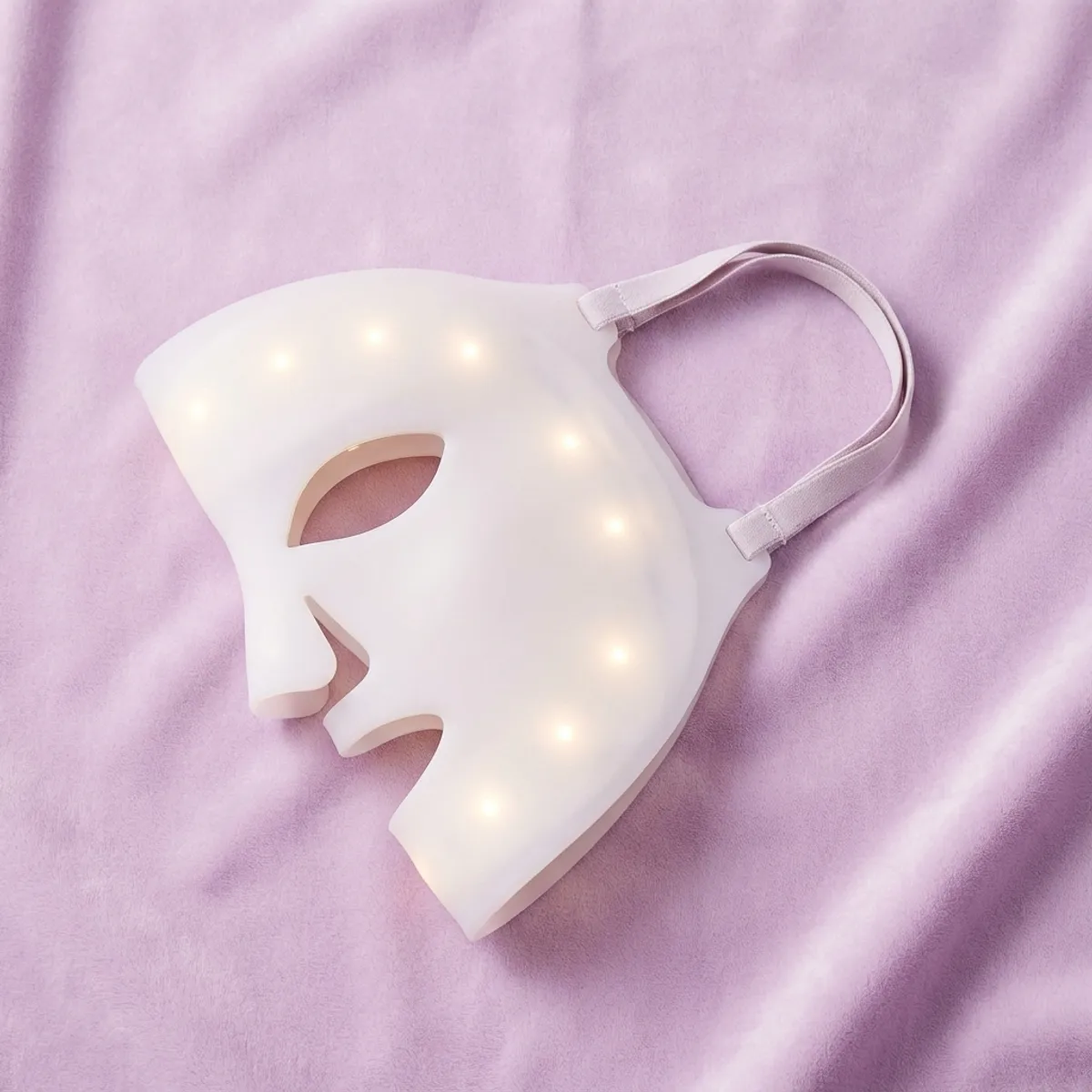
CurrentBody
Skin LED Light Therapy Mask Series 2
Flexible, full-face LED mask for visible anti-ageing results.
Best for:
- Full face and chin coverage with flexible silicone
- Well known for visible anti-ageing and tone-smoothing results
Considerations:
- Note: Focused on anti-ageing rather than active breakouts

Solawave
Wrinkle Retreat Pro LED Face Mask
Multi-wavelength LED mask for glow and firmness.
Best for:
- Short, frequent sessions suited to daily use
- Multiple red-family wavelengths for broad anti-ageing support
Considerations:
- Note: Does not include dedicated blue light for breakout-focused routines
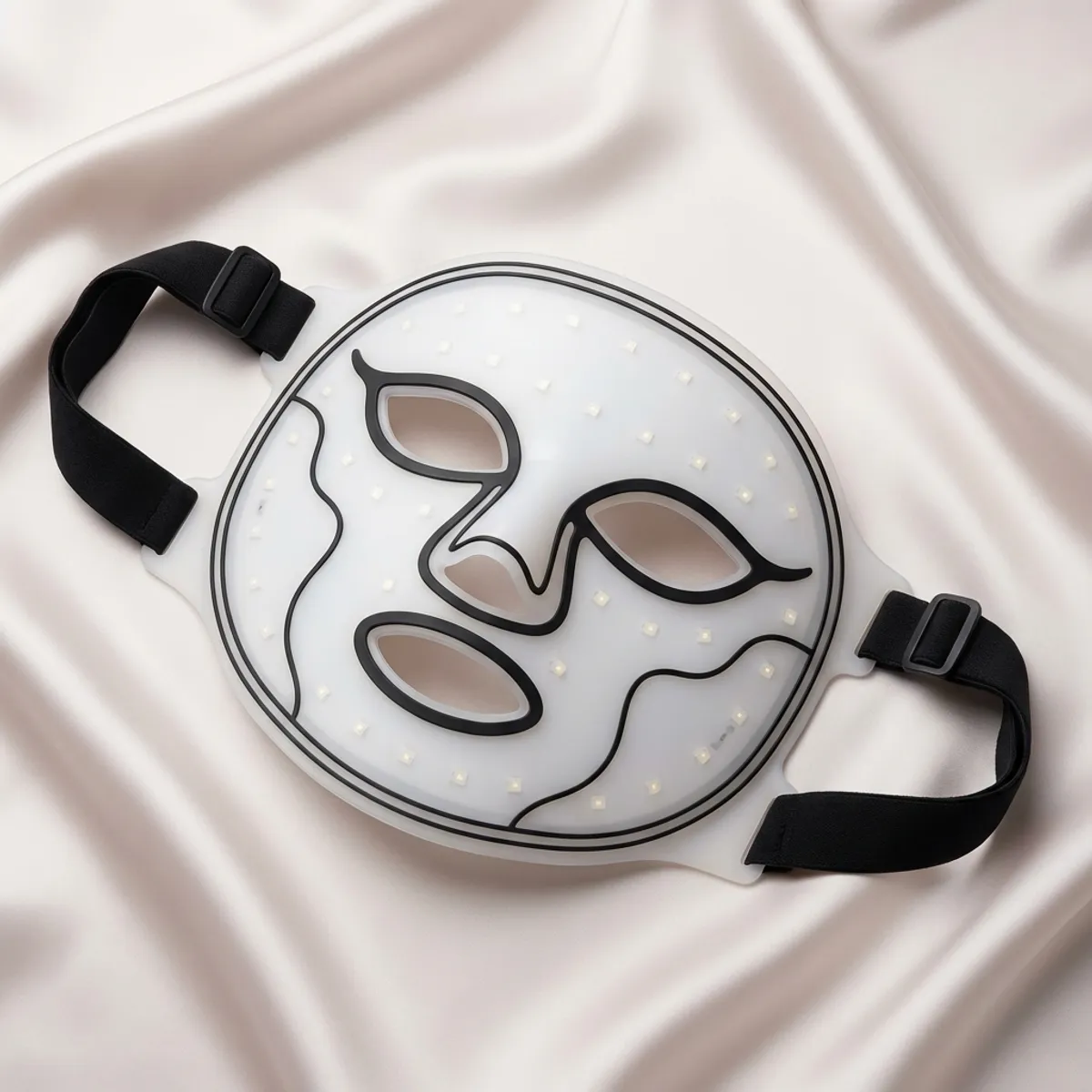
Omnilux
Contour Face LED Mask
Flexible red and near-IR mask from a clinic-grade brand.
Best for:
- Flexible silicone design for close, even coverage
- Clinic-inspired technology with strong brand reputation
Considerations:
- Note: Focused on anti-ageing and tone rather than breakout-specific routines
Best LED Masks for Pigmentation & Dark Spots
Hyperpigmentation requires deeper penetration than surface-level concerns. Near-infrared at 830nm penetrates 5-10mm into the skin—deeper than red light alone—making it essential for treating post-inflammatory hyperpigmentation, melasma, and sun damage. Masks that combine red (630-660nm) and near-infrared (830nm) deliver the most comprehensive results.
What works: CurrentBody Series 2 includes deep near-infrared at 1072nm—an advanced wavelength that penetrates even deeper. Omnilux Contour offers red + 830nm near-IR, which is the clinical standard. Both require 10-minute sessions, but users report visible lightening of dark spots after 8-12 weeks of consistent use.
Reality check: LED therapy alone won't erase deep melasma or years of sun damage overnight. It works gradually by supporting cellular repair and reducing inflammation. Combine it with daily SPF 50+ and consider adding LED-compatible serums with niacinamide or tranexamic acid for faster results.
User insight: Most people see texture improvements (smoother, brighter skin) within 6-8 weeks, but significant pigmentation lightening takes 12+ weeks. Patience and consistency beat intensity—daily 10-minute sessions deliver better results than occasional 20-minute marathons.
CurrentBody
Skin LED Light Therapy Mask Series 2
Flexible, full-face LED mask for visible anti-ageing results.
Best for:
- Full face and chin coverage with flexible silicone
- Well known for visible anti-ageing and tone-smoothing results
Considerations:
- Note: Focused on anti-ageing rather than active breakouts
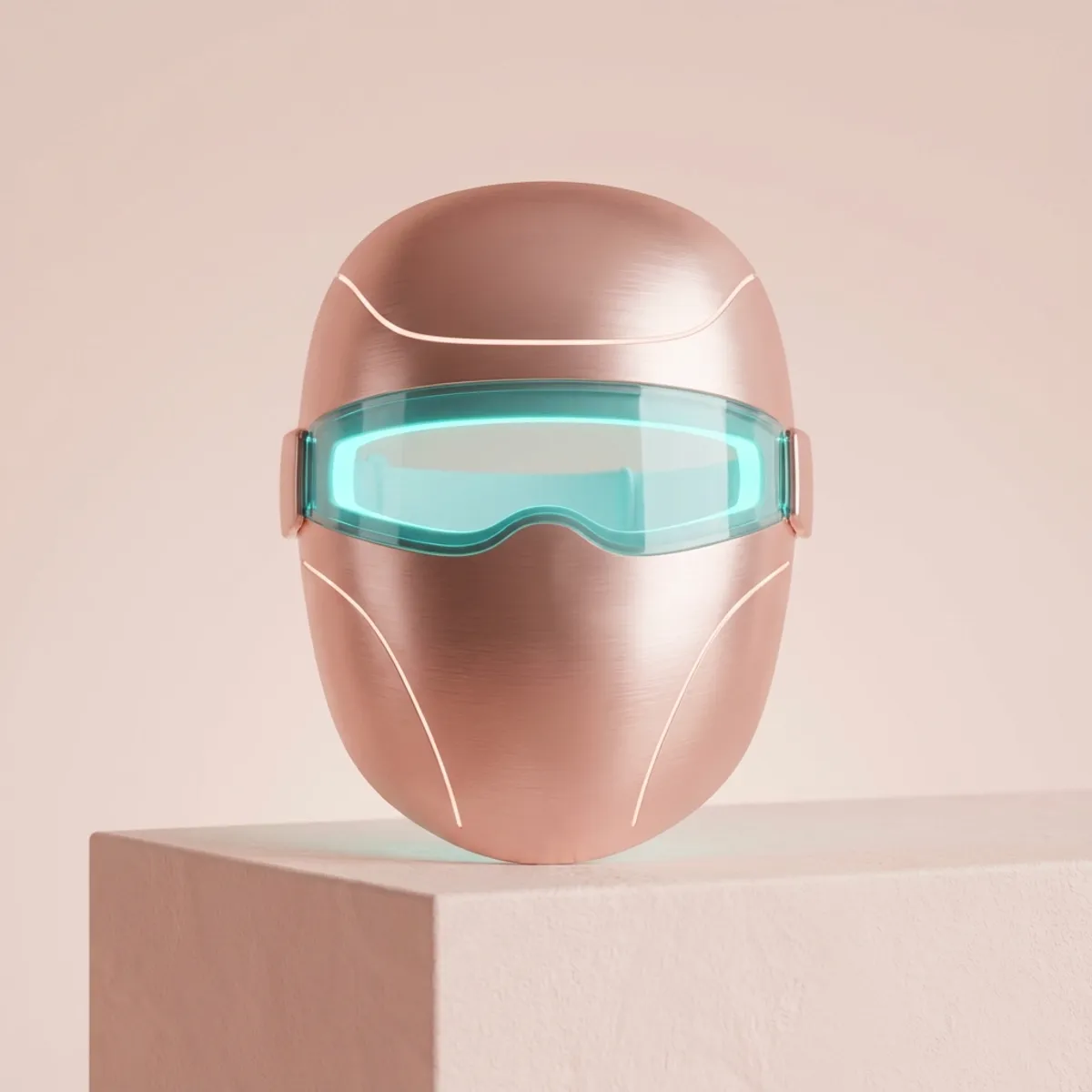
Dr. Dennis Gross
DRx SpectraLite FaceWare Pro
Fast 3-minute LED mask with red and blue modes.
Best for:
- Very short 3-minute sessions fit into busy routines
- Dual red/blue modes to support both ageing and breakout concerns
Considerations:
- Note: Rigid mask shape can feel less comfortable on some faces
Solawave
Wrinkle Retreat Pro LED Face Mask
Multi-wavelength LED mask for glow and firmness.
Best for:
- Short, frequent sessions suited to daily use
- Multiple red-family wavelengths for broad anti-ageing support
Considerations:
- Note: Does not include dedicated blue light for breakout-focused routines
Best LED Masks for Fine Lines & Firmness
Red light at 630-660nm stimulates fibroblasts to produce collagen—this is well-documented in clinical studies. Near-infrared at 830nm penetrates deeper to support elastin and improve skin firmness. The combination is more effective than red light alone, which is why premium anti-ageing masks include both wavelengths.
What actually works: CurrentBody Series 2 and Omnilux Contour both use clinically proven wavelengths with high LED density (~200+ LEDs) for even coverage. Users report visible improvements in fine lines around the eyes and mouth after 8-12 weeks, with continued improvement over 6+ months. The key is consistency—3-5 sessions per week beats occasional use.
What doesn't: Masks with low LED counts (under 150) or wavelengths outside the 630-660nm range won't deliver the same collagen-stimulating effects. Also, don't expect "filler-like" lifting—LED therapy improves skin quality gradually, not dramatically. It's maintenance, not transformation.
Real-world results: Most users notice improved skin texture and brightness within 6-8 weeks. Fine lines soften gradually over 12+ weeks. For best results, use after cleansing and before serums—LED light can enhance penetration of active ingredients. Combine with LED-compatible serums containing peptides or growth factors for synergistic effects.
CurrentBody
Skin LED Light Therapy Mask Series 2
Flexible, full-face LED mask for visible anti-ageing results.
Best for:
- Full face and chin coverage with flexible silicone
- Well known for visible anti-ageing and tone-smoothing results
Considerations:
- Note: Focused on anti-ageing rather than active breakouts
Dr. Dennis Gross
DRx SpectraLite FaceWare Pro
Fast 3-minute LED mask with red and blue modes.
Best for:
- Very short 3-minute sessions fit into busy routines
- Dual red/blue modes to support both ageing and breakout concerns
Considerations:
- Note: Rigid mask shape can feel less comfortable on some faces
Solawave
Wrinkle Retreat Pro LED Face Mask
Multi-wavelength LED mask for glow and firmness.
Best for:
- Short, frequent sessions suited to daily use
- Multiple red-family wavelengths for broad anti-ageing support
Considerations:
- Note: Does not include dedicated blue light for breakout-focused routines
Best LED Masks for Breakouts & Blemishes
Blue light at 415nm kills P. acnes bacteria—this is clinically proven and FDA-cleared for acne treatment. Red light at 630-660nm reduces inflammation and supports healing of existing breakouts. The combination is more effective than blue alone, which is why masks like Dr Dennis Gross FaceWare Pro offer both modes.
What works: Dr Dennis Gross FaceWare Pro is the gold standard for acne-focused LED therapy—fast 3-minute sessions make daily use realistic. Users report reduced breakouts within 4-6 weeks when used 5-7x per week. The blue + red combination mode is particularly effective for active breakouts, while red-only mode helps with post-inflammatory marks.
Important caveat: LED therapy works best for mild to moderate acne. Severe cystic acne needs professional treatment. Also, blue light can be intense—start with shorter sessions (2-3 minutes) and increase gradually. Some users report initial purging (temporary increase in breakouts) as bacteria die off—this usually resolves within 2-3 weeks.
User insight: Consistency beats intensity. Daily 3-minute sessions deliver better results than occasional 10-minute marathons. Most users see reduced breakouts within 4-6 weeks, with continued improvement over 3+ months. Combine with a gentle cleanser and non-comedogenic moisturizer—LED therapy supports your routine, it doesn't replace it.
Dr. Dennis Gross
DRx SpectraLite FaceWare Pro
Fast 3-minute LED mask with red and blue modes.
Best for:
- Very short 3-minute sessions fit into busy routines
- Dual red/blue modes to support both ageing and breakout concerns
Considerations:
- Note: Rigid mask shape can feel less comfortable on some faces

Sensse
Professional LED Face Mask
The best-selling UK budget mask with 4 light modes.
Best for:
- Extremely affordable entry point for UK buyers
- Multiple light modes for various skin concerns
Considerations:
- Note: Rigid plastic design is less comfortable than silicone
Who Should Buy Which Mask?
Still unsure? Use this decision tree to find your match based on your priorities, not just your skin type.
Choose CurrentBody Series 2 if:
- You want the most comfortable, "set it and forget it" experience
- You're focused on anti-ageing (fine lines, firmness, glow) and don't need blue light
- You'll commit to 10-minute sessions 3-5x per week
- You have a medium to large face—small faces report strap issues
- You value even coverage over speed (it's slower than Dr Dennis Gross but more thorough)
Real talk: Users report the brightness can be intense around the eyes initially. Most adapt within a week, but if you're very light-sensitive, consider Omnilux instead.
Choose Dr Dennis Gross FaceWare Pro if:
- You need both anti-ageing AND acne treatment in one device
- You want the fastest sessions possible (3 minutes daily)
- You don't mind a rigid shell—it sits off the skin, which some prefer
- You have a larger budget and want a dermatologist-backed brand
Common complaint: The rigid design feels front-heavy and awkward for small faces. If comfort is your priority, CurrentBody's flexible design wins.
Choose Shark CryoGlow if:
- You want LED therapy PLUS under-eye de-puffing (the cooling pads are a major draw)
- You need to see/read during treatment (the visor design allows this)
- You're okay with a more complex routine (LED + cryo pads)
- You have storage space—it's bulkier than other masks
Trade-off: The cooling feature is great, but LED coverage is less uniform on cheeks compared to full-contact masks like CurrentBody.
Choose a Budget Mask (Sensse-type) if:
- You want to test LED therapy without a major investment
- You only need occasional support for mild concerns
- You're okay with lower LED density and less even light distribution
- You don't need robust clinical backing or premium materials
Reality check: Many users upgrade after 6-12 months. If you're serious about results, investing in a mid-range mask upfront saves money long-term.
Debate: Masks vs. Panels
Wearable Masks
- Pros: Convenience (move around), consistent distance from skin, higher adherence.
- Cons: Potential heat trap (rosacea risk), contacts the skin (hygiene), fixed size.
- Best For: Most users, specifically for anti-ageing consistency.
Tabletop Panels
- Pros: Zero heat accumulation (airflow), treats neck/chest too, no pressure points.
- Cons: Must sit still (eyes closed), takes up space, tricky to get correct dose distance.
- Best For: Rosacea/Melasma users who fear heat, or body treatment.
Warning: The Amazon "Dupe" Trap
We often get asked: "Why pay £300 when this one is £50?"
We bought and tore down several generic masks. Here is what we found:
- Fake Wavelengths: Many cheap red lights use standard 600nm bulbs (like Christmas lights) which look red but don't penetrate efficiently. Clinical 633nm/830nm chips are expensive to manufacture.
- Irradiance Roulette: Some were dangerously weak (doing nothing), while one had a "hot spot" on the forehead that could burn skin.
- Eye Safety: Poorly cut eye holes caused significant glare, a risk for retinal stress.
Verdict: It is safer to buy a trusted, slightly older model (or a panel) than a brand-new "dupe" with zero safety testing. Your eyes and skin barrier are worth more than the saving.
Frequently Asked Questions
How often should you use an LED mask?
Most LED masks are designed for use 3-5 times per week, with sessions typically lasting 10-20 minutes. However, this can vary based on the specific device and your skin's needs. Beginner-friendly masks often recommend starting with 3 sessions per week, while more advanced devices may suggest daily use. Always follow the manufacturer's guidelines and listen to your skin—if you experience any irritation, reduce frequency.
Can LED masks replace my skincare routine?
LED masks are a valuable addition to your skincare routine, but they shouldn't replace essential steps like cleansing, moisturizing, and sun protection. Think of LED therapy as a complementary treatment that can enhance the effectiveness of your existing products. Many users find that LED masks work best when combined with a consistent skincare routine containing <Link href="/serums/best/serums-for-led-masks" className="text-accent hover:underline">LED-compatible serums</Link> to boost hydration and results.
Are LED masks safe for sensitive skin?
Yes, LED masks are generally considered safe for sensitive skin, especially those using red light wavelengths. Red light therapy is non-invasive and doesn't produce heat, making it suitable for sensitive skin types. However, if you have very sensitive skin or specific medical conditions, it's wise to start with shorter sessions (5-10 minutes) and gradually increase. Always patch test if you're concerned, and consult with a dermatologist if you have any underlying skin conditions.
What's the difference between red, blue, and near-infrared LED light?
Red light (around 630-660nm) is primarily used for anti-ageing benefits, supporting collagen production and reducing the appearance of fine lines. Blue light (around 415nm) targets acne-causing bacteria, making it ideal for breakout-prone skin. Near-infrared light (around 830nm) penetrates deeper into the skin, supporting cellular repair and overall skin health. Many modern LED masks combine multiple wavelengths for comprehensive treatment.
How long does it take to see results from LED mask therapy?
Results from LED mask therapy typically become noticeable after 4-8 weeks of consistent use. Some users may notice improvements in skin texture and brightness within 2-3 weeks, while more significant changes like reduced fine lines or improved hyperpigmentation may take 8-12 weeks. Consistency is key—regular use according to the manufacturer's recommendations will yield the best results. Remember, LED therapy is a gradual process that supports your skin's natural healing and renewal mechanisms.
Do I need to wear eye protection with LED masks?
Most LED masks designed for home use have built-in eye protection or eye cutouts, and the light intensity is generally considered safe for the eyes when used as directed. However, if you're using a mask without eye protection or if you're particularly sensitive to light, you may want to keep your eyes closed during sessions or use the provided eye covers. Always follow the manufacturer's safety guidelines for your specific device.
Next Steps
Ready to find your perfect LED mask? Use our tools to get personalized recommendations based on your specific skin concerns, budget, and lifestyle preferences.
Looking for more information? Check out our LED mask guides covering topics like how to use LED masks, safety considerations, and building your LED routine.