Red vs Blue Light for Skin: Which Do You Need?
Understanding red light (633nm) for anti-ageing and blue light (415nm) for acne treatment.
Quick answer
LED light therapy can be beneficial for various skin concerns when used correctly.
Key takeaways:
- -Anti-ageing and texture: red (+ NIR if available) is the workhorse; blue does not replace it.
- -Active inflammatory acne: blue has a clearer antimicrobial story; red helps calm what blue does not erase overnight.
- -Melasma, medium-to-deep skin tones, or pigment-prone routines: treat blue as higher stakes—shorter tests, stricter eye protection, and dermatologist input if anything darkens.
- -“Purple” combined modes often split diode power—sequenced single-wavelength sessions are sometimes more honest than rainbow marketing.
- -Eyes and sleep matter as much as skin outcomes—blue at midnight is a bad default.
Table of Contents
Red vs Blue Light for Skin: Which Wavelengths Matter (and When You Need Both)
Red and near-infrared wavelengths mainly speak to repair, collagen-supporting biology, and calming inflammation; blue wavelengths target acne-associated bacteria and oil dynamics near the surface. Most adult skin concerns are mixed, so the decision is rarely “pick one forever”—it is sequencing, tolerance, and pigment risk.
Key Takeaways
- Anti-ageing and texture: red (+ NIR if available) is the workhorse; blue does not replace it.
- Active inflammatory acne: blue has a clearer antimicrobial story; red helps calm what blue does not erase overnight.
- Melasma, medium-to-deep skin tones, or pigment-prone routines: treat blue as higher stakes—shorter tests, stricter eye protection, and dermatologist input if anything darkens.
- “Purple” combined modes often split diode power—sequenced single-wavelength sessions are sometimes more honest than rainbow marketing.
- Eyes and sleep matter as much as skin outcomes—blue at midnight is a bad default.
Quick Comparison
| Topic | Red / NIR (typical cosmetic bands) | Blue (~415 nm cosmetic bands) |
|---|---|---|
| Primary story | Fibroblast energy, repair tone, collagen-support signalling | Surface bacteria and sebum environment |
| Depth | Dermis and deeper tissue penetration for red/NIR | Epidermis-heavy |
| Pigment caution | Lower for many users vs blue | Higher for melasma-prone and some deeper skin tones |
| Lifestyle tip | Often fine before bed in red-only modes | Keep away from late evening if you are sleep-sensitive |
Numbers vary by device—always trust your Instruction for Use (IFU) over blog tables.
Anti-Ageing and “Glow” Goals
If your concern is fine lines, crepiness, or post-sun resilience, blue light is not doing the heavy lifting. You want a well-made red/NIR mask you will actually wear, then protect gains with SPF by day—our anti-ageing red light article goes deeper.
Acne and Congestion Goals
Blue’s antimicrobial angle is useful when you have papules and pustules and your barrier is not shredded.
Pair with behaviour, not only hardware:
- Cleanse gently—over-stripping increases rebound oil.
- Do not stack strong acids immediately before blue if you sting easily—see LED mask before or after skincare.
For deeper context: treating acne with blue light.
Safety and Comfort: The Underrated Section
Blue is higher photon energy per quantum than deep red. That does not make it “dangerous like UV,” but it does change glare, eye fatigue, and how pigmented skin sometimes responds over weeks.
Red/NIR is usually the conservative choice when:
- You are introducing LED during pregnancy (always follow IFU + clinician—see pregnancy article).
- You have eye migraine triggers.
- You flare with minimal heat or friction from mask straps—side effects.
Do You Need Both Wavelengths?
The phased approach (works well for many users)
- Stabilise barrier with a few short red/NIR sessions if you are new to LED entirely.
- Add blue on non-retinoid nights when breakouts need a push.
- Return to red-forward maintenance once acute inflammation calms.
About “purple” or multi-colour carnival modes
When red and blue LEDs share power budgets, each channel may receive less than half the optical punch of a dedicated single-mode session. If your schedule allows, two focused passes (blue then red, or alternate days) often beats one diluted rainbow cycle—still: manual wins if it forbids sequencing.
Links to Science and Buying
- Mechanisms without hype: science behind LED therapy
- Wavelength deep dive: LED wavelengths explained
- Shortlist devices: best LED face masks
FAQ
I only get hormonal jawline spots—do I still need blue?
Sometimes red-only plus good dermatology is enough. Blue can still help surface bacterial load, but it is not a hormone modulator.
Can blue light fix melasma?
Do not expect blue to “bleach” melasma; in some patients it worsens pigment. That is a specialist conversation, not a mask preset.
Is red light a free pass to skip SPF?
No. LED is not sunscreen’s enemy, but it is also not an excuse to avoid photoprotection.
Can I use blue every single day forever?
Many people taper to maintenance once clear. If you never improve but keep escalating time, review technique and consider professional care.
Does NIR replace red?
They overlap in goals but are not identical. High-quality masks often pair them; your IFU explains how the device times each bank.
Conclusion
Pick wavelengths for the biology you are actually trying to shift, then respect how your skin, eyes, and pigment behave in real life. Red and blue are not rivals—they are different instruments. The skill is knowing when to lead with each.
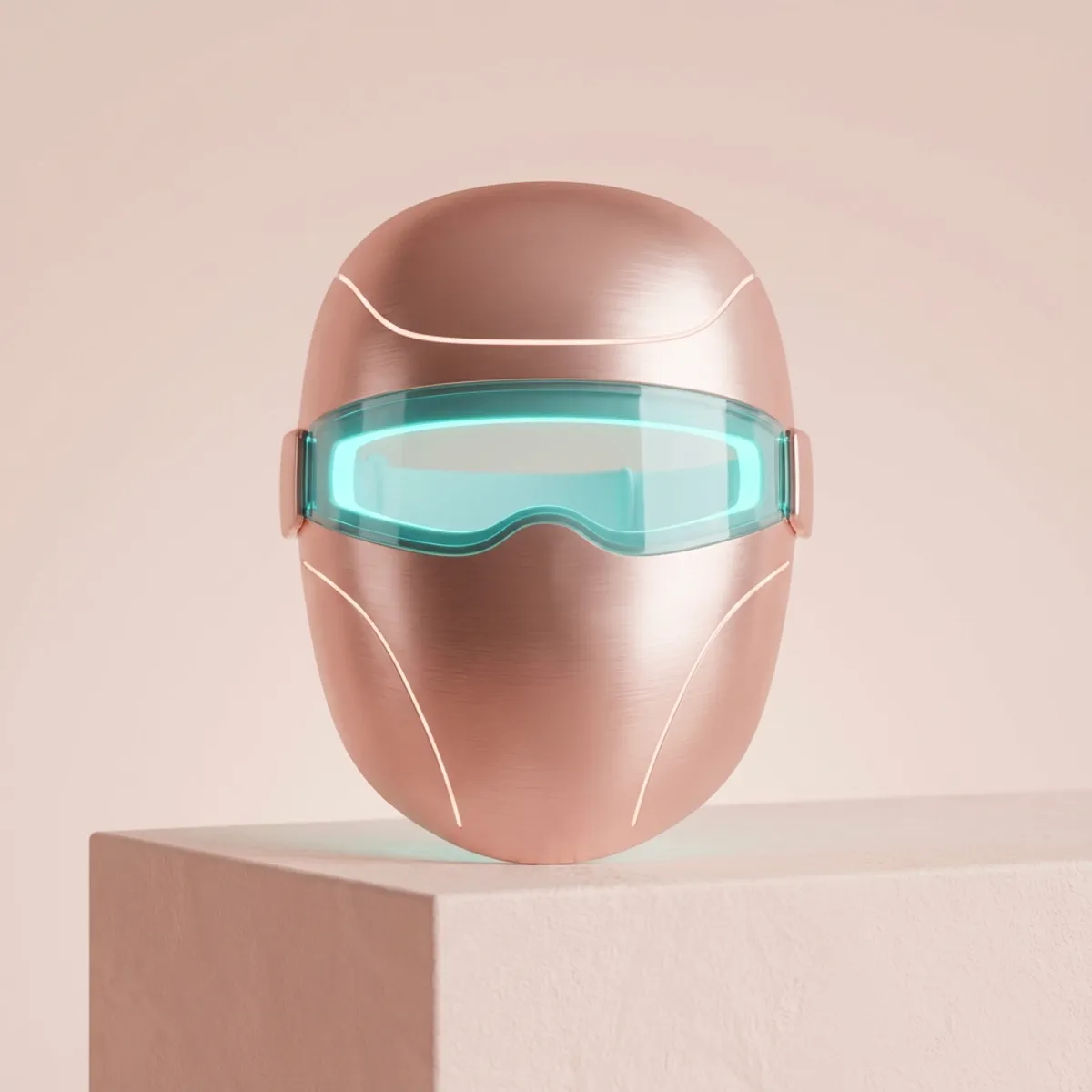
Best Masks with Blue Light for Acne
These masks include blue light wavelengths specifically designed to target acne-causing bacteria.

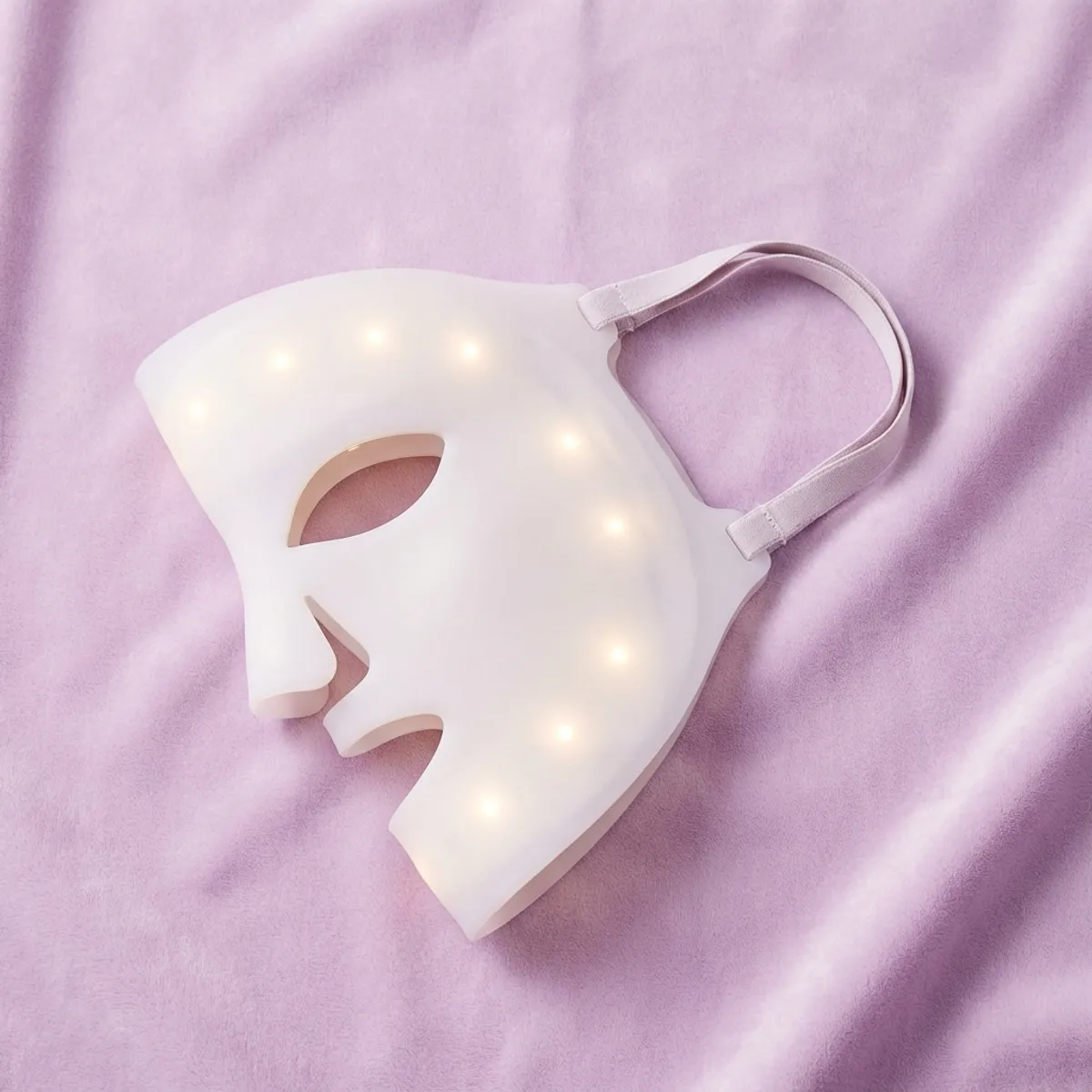
Best Masks with Red Light for Anti-Ageing
These masks focus on red and near-infrared light for collagen support and anti-ageing benefits.
We respect your privacy. Unsubscribe at any time.
Frequently Asked Questions
I only get hormonal jawline spots—do I still need blue?
Sometimes red-only plus good dermatology is enough. Blue can still help surface bacterial load, but it is not a hormone modulator.
Can blue light fix melasma?
Do not expect blue to “bleach” melasma; in some patients it worsens pigment. That is a specialist conversation, not a mask preset.
Is red light a free pass to skip SPF?
No. LED is not sunscreen’s enemy, but it is also not an excuse to avoid photoprotection.
Can I use blue every single day forever?
Many people taper to maintenance once clear. If you never improve but keep escalating time, review technique and consider professional care.
Does NIR replace red?
They overlap in goals but are not identical. High-quality masks often pair them; your IFU explains how the device times each bank. Pick wavelengths for the biology you are actually trying to shift, then respect how your skin, eyes, and pigment behave in real life. Red and blue are not rivals—they are different instruments. The skill is knowing when to lead with each.
Related Articles
The Science Behind LED Therapy: How It Actually Works
Deep dive into photobiomodulation, ATP production, and how specific wavelengths affect skin cells.
Anti-Aging Benefits of Red Light Therapy Masks
How red light stimulates collagen, reduces wrinkles, and improves skin texture over time.
How Often Should You Use an LED Face Mask?
Learn the optimal frequency for LED mask sessions based on your skin type, concerns, and device strength.
See Also
Explore more guides to deepen your understanding of LED mask therapy.
LED Face Masks: Complete Beginner's Guide
Everything you need to know about LED face masks: how they work, types available, safety, and what to expect from your first LED therapy routine.
Read article →How to Choose Your First LED Face Mask
Step-by-step guide to selecting the perfect LED mask based on your skin concerns, budget, lifestyle, and preferences.
Read article →How Often Should You Use an LED Face Mask?
Learn the optimal frequency for LED mask sessions based on your skin type, concerns, and device strength.
Read article →The Science Behind LED Therapy: How It Actually Works
Deep dive into photobiomodulation, ATP production, and how specific wavelengths affect skin cells.
Read article →Ready to find your perfect LED routine?
Take our quick quiz to get a personalised LED mask routine tailored to your skin type, concerns, and lifestyle.