LED Face Masks: Complete Beginner's Guide
Everything you need to know about LED face masks: how they work, types available, safety, and what to expect from your first LED therapy routine.
Quick answer
LED light therapy can be beneficial for various skin concerns when used correctly.
Key takeaways:
- -LED masks use red, blue, and near-infrared light to target different skin concerns
- -Red light (630-660nm) supports anti-ageing and calms redness
- -Blue light (415nm) targets acne-causing bacteria
- -Near-infrared (830nm) penetrates deeper for comprehensive treatment
- -Consistency is key—most people see results after 4-8 weeks of regular use
- -LED masks are cosmetic devices, not medical treatments, and should complement (not replace) your skincare routine
Table of Contents
LED Face Masks: Complete Beginner's Guide
LED face masks are at-home light therapy devices that use specific wavelengths of light to support skin health and appearance. They're non-invasive, generally safe for most skin types, and can help address concerns like fine lines, redness, hyperpigmentation, and breakouts when used consistently.
Key Takeaways
- LED masks use red, blue, and near-infrared light to target different skin concerns
- Red light (630-660nm) supports anti-ageing and calms redness
- Blue light (415nm) targets acne-causing bacteria
- Near-infrared (830nm) penetrates deeper for comprehensive treatment
- Consistency is key—most people see results after 4-8 weeks of regular use
- LED masks are cosmetic devices, not medical treatments, and should complement (not replace) your skincare routine
What Are LED Face Masks?
LED (Light Emitting Diode) face masks are wearable devices that emit specific wavelengths of light to support skin health. Unlike UV light, LED light doesn't damage the skin or cause sunburn. Instead, it uses visible and near-infrared light to stimulate cellular processes that can improve skin appearance.
How LED Light Therapy Works
LED light therapy works through a process called photobiomodulation. When specific wavelengths of light penetrate the skin, they interact with cells to:
- Stimulate collagen production (red and near-infrared light)
- Reduce inflammation (red light)
- Target acne-causing bacteria (blue light)
- Support cellular repair (near-infrared light)
- Improve circulation (red and near-infrared light)
The depth of penetration depends on the wavelength:
- Blue light (415nm): Penetrates the surface layer, targeting bacteria
- Red light (630-660nm): Penetrates into the dermis, supporting collagen
- Near-infrared (830nm): Penetrates deepest, supporting cellular repair
Types of LED Masks
Flexible Silicone Masks
Flexible masks are made from soft silicone that conforms to your face shape. They're generally more comfortable for longer sessions and provide even coverage across the face, including the chin and jawline. Popular examples include the CurrentBody Series 2 and Omnilux Contour.
Best for:
- Daily or frequent use
- Sensitive skin
- Longer sessions (10-20 minutes)
- Full-face coverage needs
Rigid Plastic Masks
Rigid masks maintain a fixed shape and are typically lighter weight. They may feel less comfortable for extended wear but can be easier to clean and store. The Dr. Dennis Gross FaceWare Pro is the most famous example.
Best for:
- Shorter sessions (3-10 minutes)
- Quick routines
- Those who prefer a lighter device
Hand-Held Devices
Some LED devices are hand-held rather than full-face masks. These allow for targeted treatment of specific areas but require more active use during sessions.
Best for:
- Targeted treatment
- Combining with other treatments (like sheet masks)
- Those who prefer active use
Choosing Your First LED Mask
Consider Your Skin Concerns
For Fine Lines & Anti-Ageing:
- Look for masks with red light (630-660nm) and near-infrared (830nm)
- Flexible masks are often preferred for comfort during longer sessions
For Acne & Breakouts:
- Look for masks with blue light (415nm) capability
- Consider masks that combine blue and red light for comprehensive treatment
For Redness & Sensitivity:
- Red light wavelengths are ideal for calming inflammation
- Avoid masks with only blue light, which can be too intense for sensitive skin
For Hyperpigmentation & Dark Spots:
- Red and near-infrared wavelengths work best
- Look for masks with multiple red-family wavelengths (605nm, 630nm, 660nm, 830nm)
Consider Your Budget
Budget Options (£50-£150):
- Basic red light masks
- May have fewer LEDs or simpler controls
- Still effective for general skin health
Mid-Range (£150-£300):
- Multiple wavelength options
- Better build quality and comfort
- More advanced features
Premium (£300+):
- Clinic-grade technology
- Multiple wavelengths and modes
- Superior comfort and coverage
- Often FDA-cleared or clinically tested
Consider Your Lifestyle
Busy Schedules:
- Look for masks with shorter session options (3-10 minutes)
- Consider rigid masks for quick, efficient use
Routine Lovers:
- Flexible masks for longer, comfortable sessions
- Multiple wavelength options for comprehensive treatment
How to Use an LED Face Mask
Before Your First Session
- Clean your face thoroughly with a gentle cleanser
- Remove all makeup and skincare products
- Ensure your mask is clean (follow manufacturer's cleaning instructions)
- Read the manual for your specific device's instructions
During a Session
- Put on the mask according to manufacturer instructions
- Close your eyes or use provided eye protection
- Set the timer or follow the device's automatic cycle
- Relax—you can listen to music, meditate, or simply rest
- Don't move around excessively to ensure even light exposure
After Your Session
- Remove the mask carefully
- Apply your skincare routine (serums, moisturizers) while your skin is receptive
- Clean the mask if needed (follow manufacturer guidelines)
- Store the mask in a clean, dry place
Frequency Guidelines
- Most people: 2-3 sessions per week
- Sensitive skin: Start with 1-2 sessions per week
- Acne-focused routines: May use 3-4 times per week with blue light
- Always include rest days between sessions
What to Expect: Timeline & Results
Week 1-2
- Skin may feel smoother
- Some users notice improved brightness
- No major visible changes expected
Week 4-6
- Improved skin texture becomes noticeable
- Reduced redness (if using red light)
- Better skin tone and brightness
Week 8-12
- More significant improvements in fine lines
- Reduced hyperpigmentation
- Overall skin health improvements
Long-Term (3+ Months)
- Continued improvements with consistent use
- Maintenance of results
- Best outcomes with regular, consistent routine
Important: Results vary by individual, skin type, device quality, and consistency of use. LED therapy is gradual and requires patience.
Safety Considerations
Who Should Use LED Masks?
LED masks are generally safe for most people, but consider these factors:
Safe for:
- Most skin types (dry, oily, combination, normal, sensitive)
- Most ages (with appropriate supervision for younger users)
- Those with common skin concerns (acne, fine lines, redness, etc.)
Consult a Professional Before Use If:
- You're pregnant or trying to conceive (red light is generally considered safe, but consult your doctor)
- You have a history of migraines or light sensitivity
- You're taking medications that increase photosensitivity
- You have active skin conditions or infections
- You have a history of skin cancer or precancerous lesions
Common Side Effects
Most people experience no side effects, but some may notice:
- Mild redness immediately after use (usually temporary)
- Dryness if overused (reduce frequency)
- Eye strain if eyes aren't properly protected (always close eyes or use protection)
When to Stop Using
Stop using your LED mask and consult a healthcare professional if you experience:
- Persistent irritation or redness
- Increased sensitivity
- Any unusual skin reactions
- Eye discomfort or vision changes
Common Mistakes to Avoid
Overusing Your Mask
Using your mask daily or multiple times per day can lead to:
- Skin irritation
- Increased sensitivity
- Diminishing returns
Solution: Stick to 2-3 sessions per week with rest days between.
Inconsistent Use
Sporadic use (once every few weeks) is less effective than regular use.
Solution: Create a schedule (e.g., Monday, Wednesday, Friday) and stick to it.
Using with Active Ingredients
Some active skincare ingredients (like retinoids or acids) can increase sensitivity to light.
Solution: Use your mask on clean skin, then apply your skincare routine afterward. Avoid combining with strong actives in the same session.
Not Cleaning Your Mask
Bacteria and oils can build up on your mask, potentially causing breakouts.
Solution: Clean your mask regularly according to manufacturer instructions.
Expecting Immediate Results
LED therapy is gradual and requires consistency.
Solution: Be patient and commit to 8-12 weeks of regular use before evaluating results.
FAQ
Are LED masks safe?
Yes, LED masks are generally considered safe for most people when used as directed. They use non-UV light that doesn't damage the skin. However, always follow manufacturer instructions and consult a healthcare professional if you have specific concerns.
How long do LED masks last?
Most LED masks last 2-5 years with regular use. LED degradation is gradual, so you may notice slightly less intensity over time. Follow manufacturer guidelines for device lifespan.
Can I use an LED mask with other skincare products?
Yes, but use your mask on clean skin first, then apply your skincare routine afterward. Avoid using strong actives (like retinoids or acids) immediately before a session, as they can increase light sensitivity.
Do LED masks work for everyone?
Results vary by individual. Factors that affect results include:
- Skin type and condition
- Device quality and wavelengths
- Consistency of use
- Overall skincare routine
- Lifestyle factors (diet, sleep, stress)
Can I share my LED mask?
It's generally not recommended to share LED masks due to hygiene concerns. If you must share, clean the mask thoroughly between uses according to manufacturer instructions.
How do I know if my LED mask is working?
Signs your mask is working include:
- Improved skin texture (noticeable after 4-6 weeks)
- Reduced redness (if using red light)
- Better skin tone and brightness
- Reduced breakouts (if using blue light)
- Softer fine lines (after 8-12 weeks)
Remember, results are gradual and require consistent use.
What's the difference between red and blue light?
Red light (630-660nm):
- Supports collagen production
- Reduces inflammation and redness
- Improves skin texture and tone
- Best for anti-ageing and sensitive skin
Blue light (415nm):
- Targets acne-causing bacteria
- Reduces active breakouts
- Best for acne-prone skin
- Often combined with red light for comprehensive treatment
Do I need eye protection?
Most LED masks designed for home use have built-in eye protection or eye cutouts. The light intensity is generally considered safe when used as directed. However, always close your eyes during sessions or use provided eye covers if available.
Can LED masks replace my skincare routine?
No. LED masks should complement, not replace, your skincare routine. Essential steps like cleansing, moisturizing, and sun protection remain important. LED therapy works best when combined with a good skincare routine.
How much should I spend on my first LED mask?
Budget depends on your needs:
- Budget (£50-£150): Good for trying LED therapy
- Mid-range (£150-£300): Better quality and features
- Premium (£300+): Clinic-grade technology and comfort
Start with what fits your budget, but remember that quality and proper wavelengths matter more than price alone.
Top LED Masks for Beginners
These masks are perfect for those just starting with LED therapy. They offer good value, ease of use, and effective results.
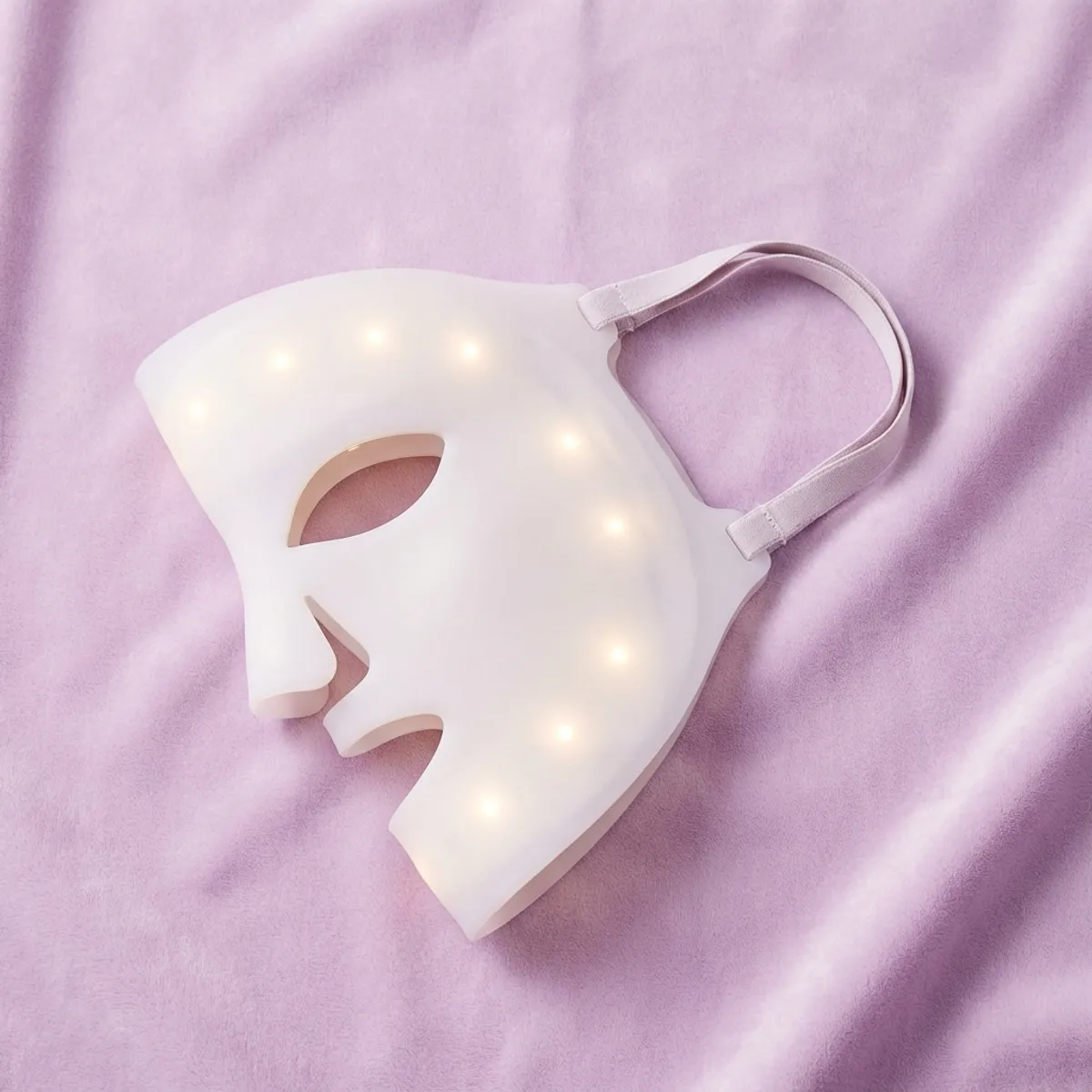
CurrentBody
Skin LED Light Therapy Mask Series 2
£399.99
Flexible, full-face LED mask for visible anti-ageing results.
View details →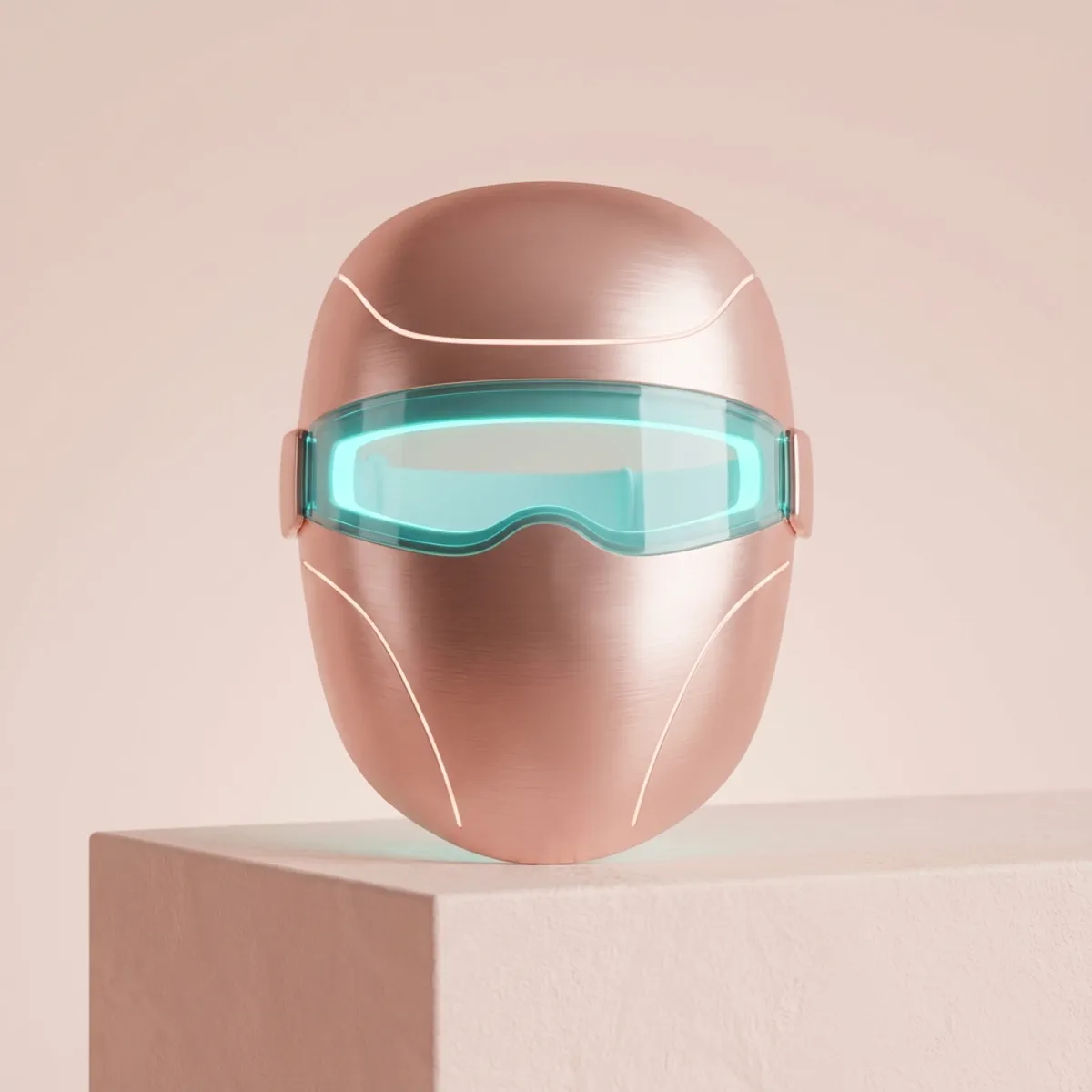
Dr. Dennis Gross
DRx SpectraLite FaceWare Pro
£465
Fast 3-minute LED mask with red and blue modes.
View details →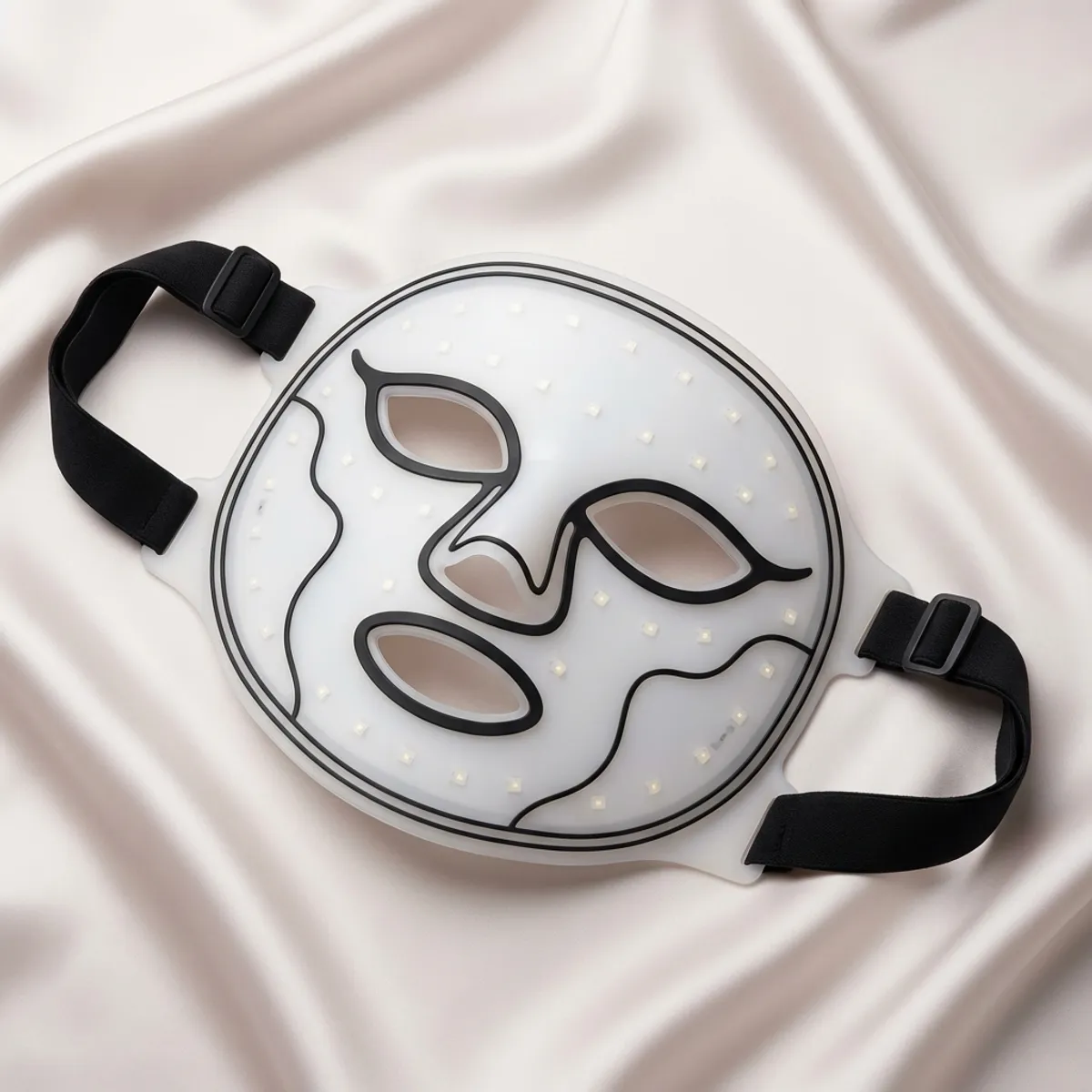
Omnilux
Contour Face LED Mask
£290
Flexible red and near-IR mask from a clinic-grade brand.
View details →We respect your privacy. Unsubscribe at any time.
Frequently Asked Questions
Are LED masks safe?
Yes, LED masks are generally considered safe for most people when used as directed. They use non-UV light that doesn't damage the skin. However, always follow manufacturer instructions and consult a healthcare professional if you have specific concerns.
How long do LED masks last?
Most LED masks last 2-5 years with regular use. LED degradation is gradual, so you may notice slightly less intensity over time. Follow manufacturer guidelines for device lifespan.
Can I use an LED mask with other skincare products?
Yes, but use your mask on clean skin first, then apply your skincare routine afterward. Avoid using strong actives (like retinoids or acids) immediately before a session, as they can increase light sensitivity.
Do LED masks work for everyone?
Results vary by individual. Factors that affect results include: - Skin type and condition - Device quality and wavelengths - Consistency of use - Overall skincare routine - Lifestyle factors (diet, sleep, stress)
Can I share my LED mask?
It's generally not recommended to share LED masks due to hygiene concerns. If you must share, clean the mask thoroughly between uses according to manufacturer instructions.
How do I know if my LED mask is working?
Signs your mask is working include: - Improved skin texture (noticeable after 4-6 weeks) - Reduced redness (if using red light) - Better skin tone and brightness - Reduced breakouts (if using blue light) - Softer fine lines (after 8-12 weeks) Remember, results are gradual and require consistent use.
What's the difference between red and blue light?
Red light (630-660nm): - Supports collagen production - Reduces inflammation and redness - Improves skin texture and tone - Best for anti-ageing and sensitive skin Blue light (415nm): - Targets acne-causing bacteria - Reduces active breakouts - Best for acne-prone skin - Often combined with red light for comprehensive treatment
Do I need eye protection?
Most LED masks designed for home use have built-in eye protection or eye cutouts. The light intensity is generally considered safe when used as directed. However, always close your eyes during sessions or use provided eye covers if available.
Can LED masks replace my skincare routine?
No. LED masks should complement, not replace, your skincare routine. Essential steps like cleansing, moisturizing, and sun protection remain important. LED therapy works best when combined with a good skincare routine.
How much should I spend on my first LED mask?
Budget depends on your needs: - Budget (£50-£150): Good for trying LED therapy - Mid-range (£150-£300): Better quality and features - Premium (£300+): Clinic-grade technology and comfort Start with what fits your budget, but remember that quality and proper wavelengths matter more than price alone.
Related Articles
How Long Do LED Face Masks Last? The Part That Fails First
LEDs rarely die first — batteries, straps, and controllers do. Use our durability checklist, warranty red flags, and dead-zone signs before you buy another mask you will replace in 18 months.
How to Choose Your First LED Face Mask
Step-by-step guide to selecting the perfect LED mask based on your skin concerns, budget, lifestyle, and preferences.
LED Face Masks: Complete Beginner's Guide
Everything you need to know about LED face masks: how they work, types available, safety, and what to expect from your first LED therapy routine.
See Also
Explore more guides to deepen your understanding of LED mask therapy.
How to Choose Your First LED Face Mask
Step-by-step guide to selecting the perfect LED mask based on your skin concerns, budget, lifestyle, and preferences.
Read article →Building Your LED Mask Routine
Complete guide to creating and maintaining an effective LED mask routine that fits your lifestyle and delivers results.
Read article →How Often Should You Use an LED Face Mask?
Learn the optimal frequency for LED mask sessions based on your skin type, concerns, and device strength.
Read article →LED Face Mask Side Effects: What to Know
Understanding potential side effects, safety considerations, and when to stop using LED light therapy.
Read article →Ready to find your perfect LED routine?
Take our quick quiz to get a personalised LED mask routine tailored to your skin type, concerns, and lifestyle.